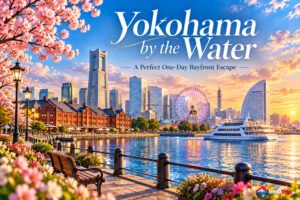

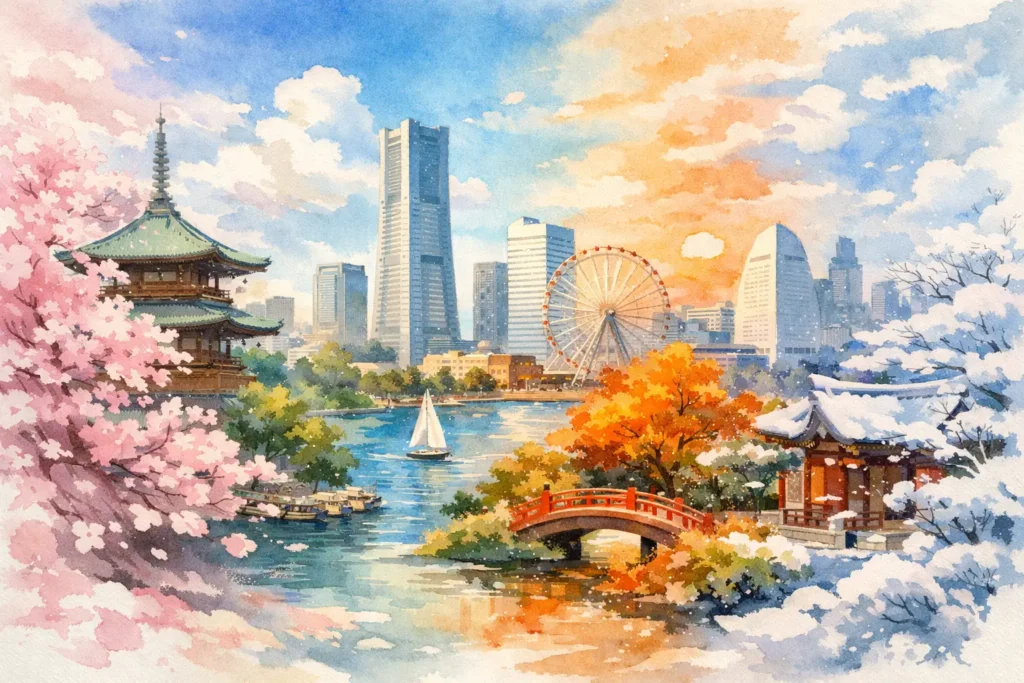
Yokohama changes character with the light, the weather, and the rhythm of Japan’s calendar. The best time to visit Yokohama depends on whether you imagine lantern-lit waterfront walks, cherry blossoms beside historic brick warehouses, clear views across the bay, or the electric energy of a summer festival. As Tokyo’s dynamic neighbor, Yokohama is easy to reach year-round, yet each season reveals a distinctly different side of the city.
Its appeal lies in contrast. Glass towers rise near the sea, the nostalgic streets of Motomachi and Yamate recall the city’s international port history, and the red-brick waterfront of Minato Mirai becomes a stage for flowers, fireworks, holiday lights, and changing skies. Choosing your dates well can make a memorable visit feel even more vivid.
Best Time to Visit Yokohama: Spring or Autumn
For most travelers, late March through May and October through November are the most rewarding periods. These shoulder seasons bring comfortable temperatures for walking, photogenic cityscapes, and a fuller calendar of outdoor experiences without the intense humidity of midsummer.

Spring carries the irresistible anticipation of sakura season. Autumn is calmer, cooler, and colored by ginkgo leaves and late foliage. Neither is a secret, however. Cherry blossom season and major holiday periods can bring large crowds, higher hotel prices, and busy trains. Travelers seeking a quieter trip may find early winter or late May especially appealing.
Spring: Cherry Blossoms and Bright Harbor Days
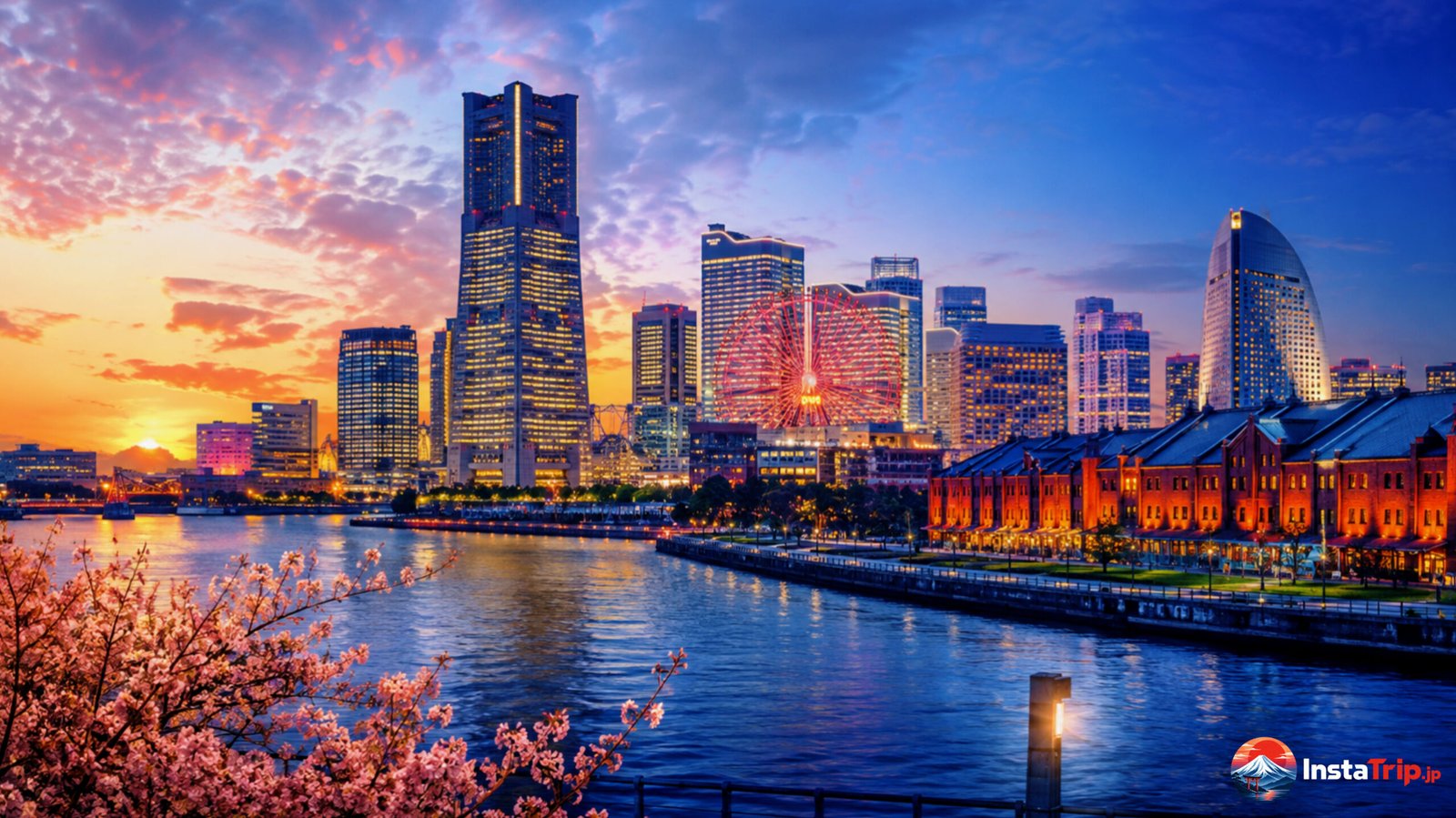
From late March into early April, Yokohama’s parks and waterfront spaces take on the soft, fleeting beauty of cherry blossom season. Exact bloom dates change each year according to the weather, so it is wise to treat early April as a likely window rather than a guarantee. Sakuragicho and Minato Mirai feel particularly captivating at this time, when pale blossoms frame bold contemporary architecture and the bay breeze keeps the air fresh.
Sankeien Garden is one of the city’s most atmospheric spring destinations. Its traditional buildings, pond, and seasonal flowers offer a quieter counterpoint to Yokohama’s futuristic skyline. The garden’s historic structures were moved here from locations including Kyoto and Kamakura, creating a setting where changing leaves and blossoms feel deeply connected to Japanese architectural heritage.
April is pleasant for wandering through Yokohama Chinatown, Japan’s largest, then continuing toward Yamashita Park and the waterfront. The trade-off is demand. Expect popular blossom spots, restaurants, and hotels to be busier, especially on weekends. Golden Week, usually spanning late April into early May, is another major consideration: domestic travel rises sharply, and advance reservations become far more valuable.
By mid- to late May, spring becomes warmer and greener. The peak blossoms have passed, but crowds often ease after Golden Week. This is one of the most practical moments for travelers who want outdoor comfort, long daylight, and more breathing room around Yokohama’s major sights.
Summer: Festivals, Fireworks, and Humid Energy
Summer in Yokohama is vibrant, festive, and undeniably hot. June often brings the rainy season, with overcast days and sudden showers, though rain does not necessarily fall constantly. It can be a fine time for museums, shopping, cafés, and indoor attractions around Minato Mirai, but travelers planning long waterfront walks should pack light rain gear.
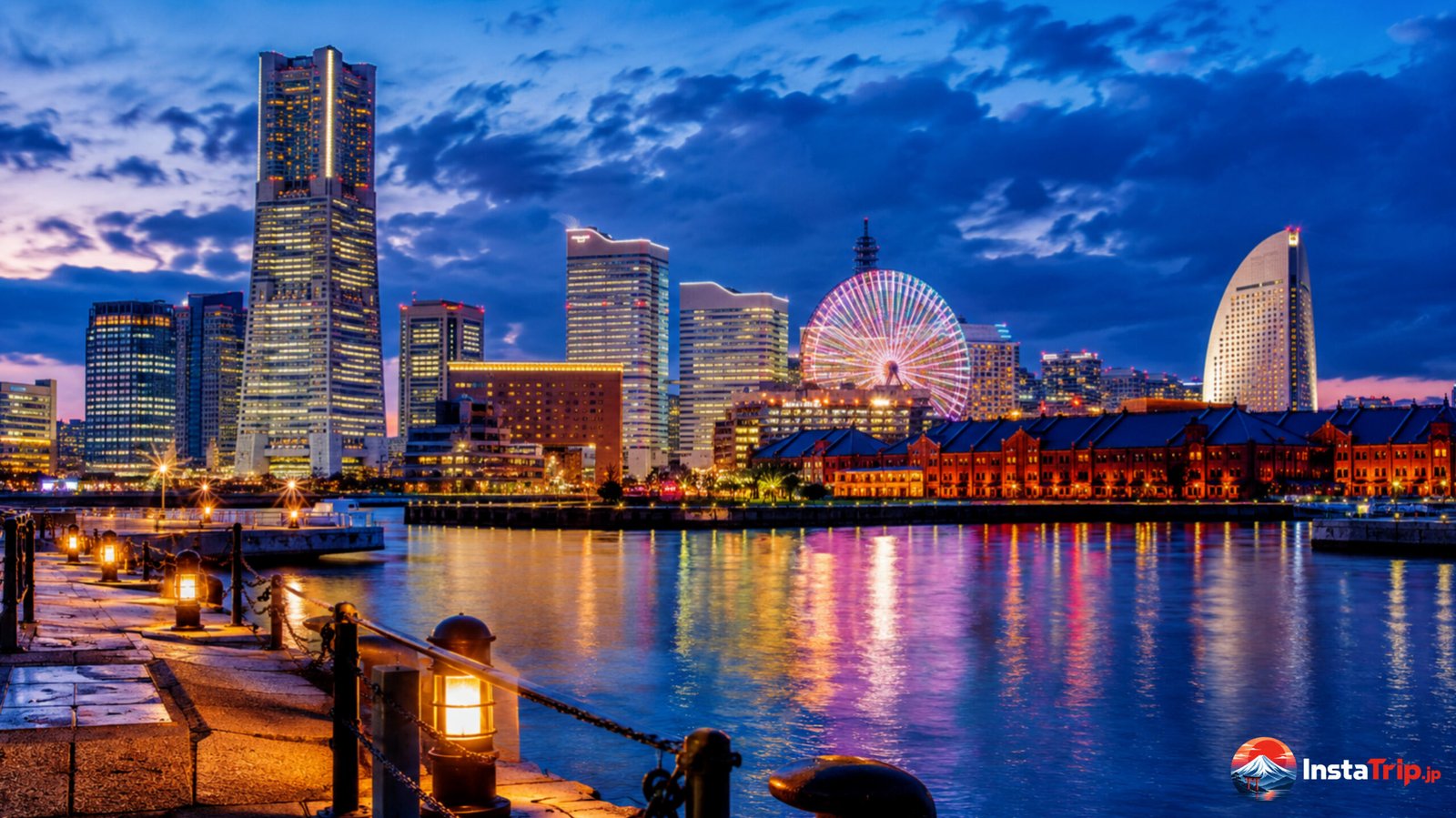
July and August bring heat and humidity, often making midday sightseeing tiring. In return, summer gives the city a more celebratory pulse. Evening events, beer gardens, waterfront promenades, and fireworks create an atmosphere that feels distinctly Japanese in its seasonal intensity. The Minato Mirai skyline after dark is magnificent, reflected in the harbor beneath the Ferris wheel’s changing lights.
If you visit in summer, plan like a local: start early, rest indoors during the hottest hours, and return outside after sunset. Choose breathable clothing, carry water, and allow extra time between stops. Families and travelers drawn to festivals may find summer unforgettable, while visitors focused on all-day walking or photography in gentle light will usually prefer spring or fall.
Yokohama in Autumn: The Most Balanced Season
October and November may be the best time to visit Yokohama for travelers who want both atmosphere and ease. Humidity fades, the skies often become clearer, and temperatures are comfortable enough for exploring neighborhoods on foot. It is an ideal season for moving between the modern waterfront, the hillside streets of Yamate, and the broad paths around Yamashita Park.
Autumn foliage arrives later than spring blossoms and tends to unfold gradually. Ginkgo trees offer bright gold, while maples bring deeper red tones to gardens and temple grounds. Sankeien Garden is again a highlight, where traditional architecture gains a new richness against the changing leaves. The setting invites a slower kind of travel: a pause by the water, a close look at old wooden details, and an awareness of the season’s impermanence.
Autumn also suits food-focused visits. Cool weather makes it easier to linger over Chinatown specialties, harbor-view dining, and cafés tucked into former port-era buildings. Weekends can still be busy, particularly during foliage season, but the overall experience is usually less crowded and more predictable than peak cherry blossom weeks.
Winter: Illuminations, Clear Views, and Quieter Streets
Winter is Yokohama’s understated treasure. From December through February, daytime temperatures can feel chilly, but snow is uncommon and the air is often crisp and clear. That clarity can make the harbor views especially striking, with Mount Fuji sometimes visible in the distance on a bright day.
The city’s winter illuminations turn Minato Mirai into a glowing urban landscape. Seasonal lights around the waterfront, shopping areas, and the Red Brick Warehouse create a romantic evening setting without requiring a packed itinerary. This is an excellent period for couples, photographers, and travelers who enjoy cities after dark.
December can be lively around Christmas and year-end events, while New Year brings a more reflective mood. Some independent businesses and attractions may adjust their hours around the holiday period, so checking schedules is sensible. January and February often offer lower accommodation demand outside holiday dates, making them strong choices for budget-conscious visitors.
Winter is also a rewarding season for cultural exploration. Spend a cool afternoon in a museum, enjoy a warming bowl of ramen at the Shin-Yokohama Ramen Museum, or take time in neighborhoods where Yokohama’s port-city history remains visible. The season encourages an unhurried pace, which can reveal details easily missed on a rushed day trip.
When to Go for Your Travel Style
If cherry blossoms are nonnegotiable, aim for late March or early April, while staying flexible with your dates. For the most comfortable conditions across sightseeing, gardens, and waterfront walks, choose late May, October, or November. For festival energy and luminous summer nights, July and August deliver, provided you are prepared for heat and humidity.
Travelers seeking lower costs and fewer crowds should consider January, February, or late May. Winter offers clear air and illuminations; late May offers green parks and mild days after the spring travel rush. June can also be quieter, but weather uncertainty makes it best for visitors happy to build indoor alternatives into their plans.
Yokohama is close enough to Tokyo for a day trip, yet it deserves more than a quick stop between trains. An overnight stay lets you see the city at its most cinematic hour, when office towers glow, ships move across the dark water, and the harbor becomes a meeting point between Japan’s historic openness to the world and its brilliantly modern urban life.
Whenever you arrive, leave room for an unplanned walk. Yokohama is at its most memorable when a seasonal breeze, a garden path, or the first lights along the bay gently changes your plans.
![[商品価格に関しましては、リンクが作成された時点と現時点で情報が変更されている場合がございます。]](https://hbb.afl.rakuten.co.jp/hgb/574e4ebe.b55a6785.574e4ebf.4b040b74/?me_id=1422081&item_id=10000893&pc=https%3A%2F%2Fthumbnail.image.rakuten.co.jp%2F%400_mall%2Ff141003-yokohama%2Fcabinet%2Frtc%2Frtc015_s.jpg%3F_ex%3D128x128&s=128x128&t=picttext "[商品価格に関しましては、リンクが作成された時点と現時点で情報が変更されている場合がございます。]")