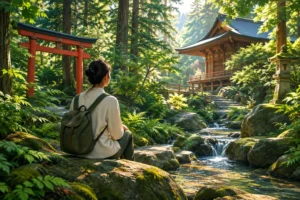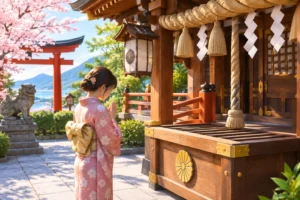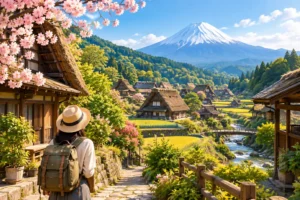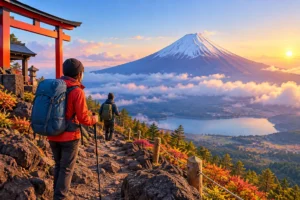

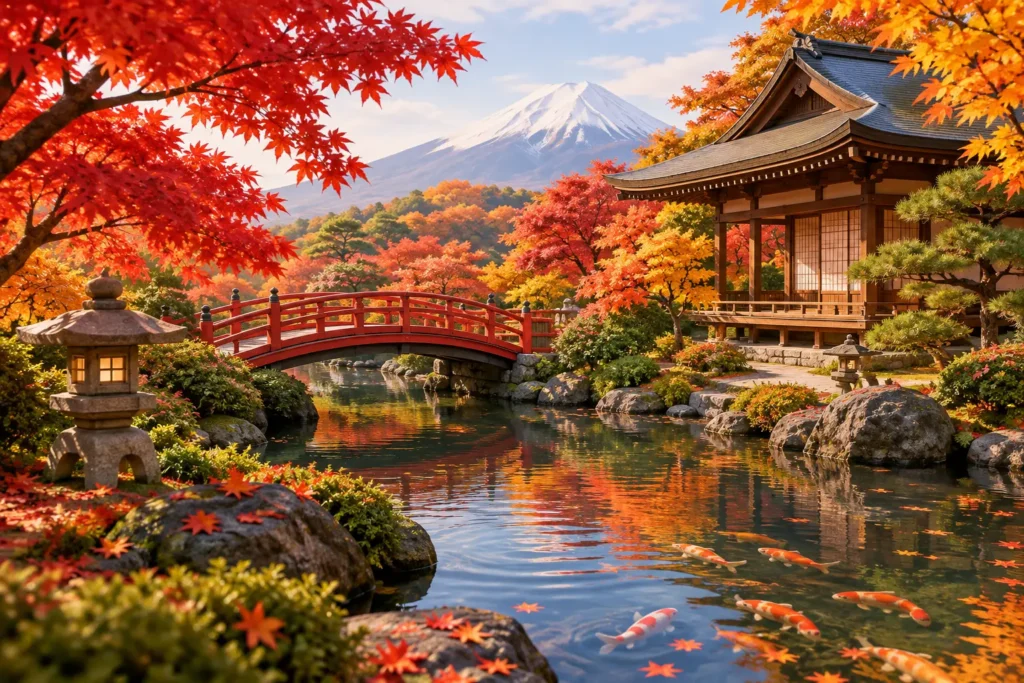
A Japanese garden can feel almost theatrical in November, yet nothing about it is accidental. A single scarlet maple may frame a stone lantern; a bridge may lead the eye toward a pond carrying drifting leaves. Japanese gardens autumn is not simply a season of vivid color. It is a chance to see the principles of Japanese landscape design become especially clear: contrast, borrowed scenery, changing light, and the quiet beauty of impermanence.
For travelers, autumn gardens offer a more contemplative side of Japan’s celebrated foliage season. Temples and mountainsides can be magnificent, but a garden gives color a frame. Every turn of a path, every reflection on water, and every carefully placed evergreen shapes the experience.
Why Japanese gardens transform in autumn
Japanese gardens are designed to be experienced in motion. Rather than presenting one grand view all at once, a strolling garden, known as a kaiyū-shiki teien, reveals scenes gradually. A path narrows beneath maples, then opens to a pond. A hill appears beyond a stand of pines. A lantern, basin, or teahouse provides a moment of stillness before the next view unfolds.
Autumn intensifies this sequence. Japanese maple varieties, especially momiji, turn shades of crimson, vermilion, orange, and gold. Ginkgo trees contribute luminous yellow, while Japanese zelkova and other decididuous trees add softer bronze tones. Against the deep green of pines, bamboo, moss, and clipped shrubs, the colors feel even more radiant.

This contrast is central to the garden’s visual language. Evergreens are not merely background planting. They anchor the landscape through every season, making autumn’s brief blaze feel more powerful. Water also becomes part of the composition, doubling the canopy in reflection and scattering fallen leaves across its surface.
There is another layer to the appeal: autumn is visibly temporary. A garden may be at its peak for only days before rain or wind changes the scene. This sensitivity to transience connects with mono no aware, an awareness of the gentle poignancy found in passing things. The fallen leaf is not a failure of the garden. It belongs to the season’s beauty.
The best time for Japanese gardens in autumn
Japan’s foliage season moves from north to south and from high elevations into cities. Hokkaido often sees color from late September through October, while Tokyo, Kyoto, and much of central Japan commonly reach their most vibrant period from mid-November into early December. In warmer southern areas, color can continue well into December.
These are useful patterns, not guarantees. Temperature, rainfall, elevation, and the tree species within a particular garden all affect timing. A garden dominated by ginkgo may glow earlier than one known for maples. A cool, sheltered temple garden may hold onto color later than an exposed urban park.

For the strongest experience, aim for a weekday morning shortly after opening. The light is gentle, pathways are quieter, and reflections are often clearer before breezes pick up. Late afternoon can be equally captivating, especially when low sun warms red leaves and illuminates shoji screens or old wooden buildings. Some gardens offer seasonal evening illuminations, creating a dramatic view of maples against the dark, though the atmosphere is naturally busier and more photographic than meditative.
Where to experience autumn gardens in Japan
Kyoto remains one of the world’s great places to see garden design and autumn color together. At Tenryū-ji in Arashiyama, the Sōgenchi Pond Garden places shifting foliage before the forested slopes of Arashiyama, using the surrounding landscape as an integral element of the view. The garden’s mountain backdrop is a classic example of shakkei, or borrowed scenery, where nature beyond the garden boundary becomes part of the composition.
In eastern Kyoto, the moss, maples, and water features of Nanzen-ji’s temple grounds create a more spacious autumn walk, while gardens around Ginkaku-ji offer a refined encounter with sand, moss, pine, and seasonal foliage. These places are popular for good reason, so arriving early makes a meaningful difference.
Tokyo provides an equally compelling, more urban expression of the season. Rikugien Garden is particularly celebrated for its autumn maples, arranged around a large pond and rolling paths that evoke scenes from classical Japanese poetry. Koishikawa Kōrakuen, one of Tokyo’s oldest strolling gardens, combines ponds, stone bridges, and carefully composed vistas in a setting where historic design survives amid the modern city.
For a garden that feels especially cinematic in late autumn, Kanazawa’s Kenrokuen is a magnificent choice. Its broad ponds, stone lanterns, streams, and sculpted pines create a landscape of remarkable balance. Here, the garden’s spaciousness allows visitors to appreciate not only individual trees but the relationship between color, water, sky, and architecture.
Further north, Hirosaki Park in Aomori is famous for cherry blossoms, but its autumn colors deserve attention as well. In Nikko, the gardens and temple precincts around Rinno-ji and the wider mountain setting offer a dramatic meeting of sacred architecture and fiery foliage. Hakone’s museums, ryokan gardens, and forested valleys provide another appealing option for travelers who want to combine art, hot springs, and fall color.
What to look for beyond red maples
It is easy to chase the brightest red tree and miss the subtler artistry around it. Japanese gardens reward slower looking. Notice how a branch reaches across water, how moss changes color when wet, or how a stone path directs your pace. A view may have been composed to be seen from a specific angle, a tea house window, or a resting point beside a pond.
Look for the garden’s use of scale. A small hill can suggest a distant mountain; an island can evoke a vast shoreline. Raked gravel may represent flowing water, while a few stones placed beside a stream can imply a rugged river valley. In autumn, these symbolic landscapes gain a new emotional dimension as leaves gather along their edges.
Garden architecture matters, too. A vermilion bridge, a weathered gate, a simple teahouse, or the broad eaves of a temple hall gives the foliage a human measure. The most memorable scenes often arise from this interplay rather than from color alone.
How to visit respectfully and enjoy the moment
Autumn’s popularity can put pressure on historic gardens. Stay on designated paths, avoid touching moss or climbing onto stones, and follow photography rules, particularly near temple buildings and tea houses. Drones are generally inappropriate and frequently prohibited. If a garden requests quiet, treat that as part of the experience rather than a restriction.
Photography is welcome in many outdoor areas, but a better approach is to take a few considered images and then put the camera away. Wait for the surface of a pond to settle. Watch how other visitors move through the frame. Return to the same viewpoint after a few minutes. Gardens are living spaces, and the scene is always changing.
Dress for unhurried walking. Paths can be uneven, and autumn rain can make stone surfaces slick. A compact umbrella, comfortable shoes, and an extra layer will serve you better than rushing from one famous viewpoint to another. If your schedule allows, choose one major garden and give it time rather than trying to collect several in a single afternoon.
A season that teaches you to pause
The magic of Japanese gardens in autumn lies in their ability to make a fleeting moment feel complete. A maple leaf landing on dark water, a yellow carpet beneath a ginkgo, and a pine remaining green beside them all tell the same quiet story: every season changes the landscape, but each has its place.
When you visit, leave room in your itinerary for that pause. Find a bench, follow the path without checking the next destination, and let the garden reveal its own rhythm. The colors may be what first bring you there, but the lasting memory is often the stillness around them.