
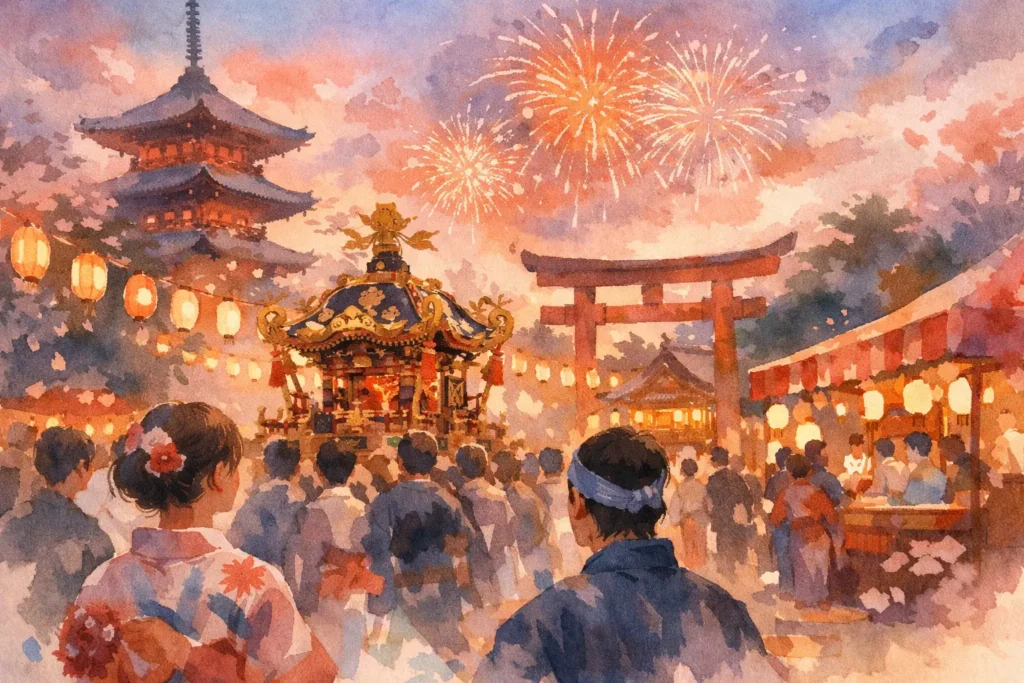
Lantern light catches on a mikoshi shrine as it moves above a sea of raised hands. Taiko drums echo down a summer street scented with grilled squid, sweet soy sauce, and incense. This is the energy behind the question, What is a matsuri? A matsuri is a Japanese festival, but that simple translation only begins to convey its meaning. It can be a sacred observance, a neighborhood reunion, a spectacular parade, a seasonal celebration, and an unforgettable window into the living traditions of Japan.
What Is a Matsuri in Japan?
The Japanese word matsuri (祭り) generally means festival. Most famously, it refers to events connected to Shinto shrines, where local communities honor the kami – sacred presences associated with nature, places, ancestors, and aspects of life. Many matsuri also have Buddhist roots or are shaped by regional folk traditions, so their character varies widely from one town to the next.
At its heart, a matsuri is not simply entertainment staged for visitors. It is an occasion in which a community renews its relationship with a place, its seasons, and its shared history. A festival may be held to pray for a good harvest, express gratitude, ward off misfortune, remember the dead, celebrate a shrine’s deity, or welcome the arrival of summer.
That deeper purpose is why a compact local festival can feel as meaningful as a world-famous event in Kyoto or Tokyo. The polished costumes, powerful music, and brightly lit food stalls are captivating, but they grow from traditions maintained by people who live there.

From Sacred Ritual to Street Celebration
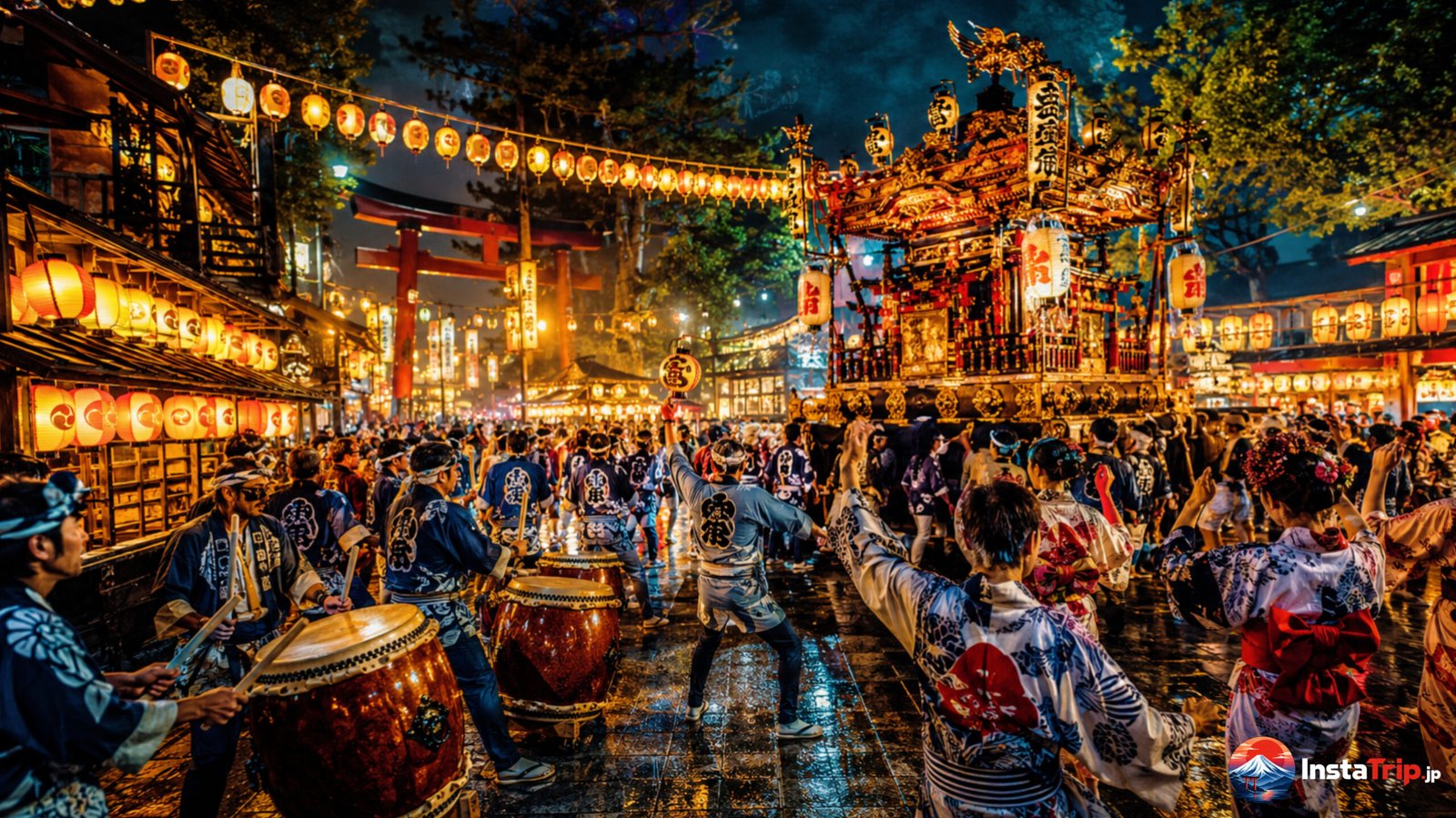
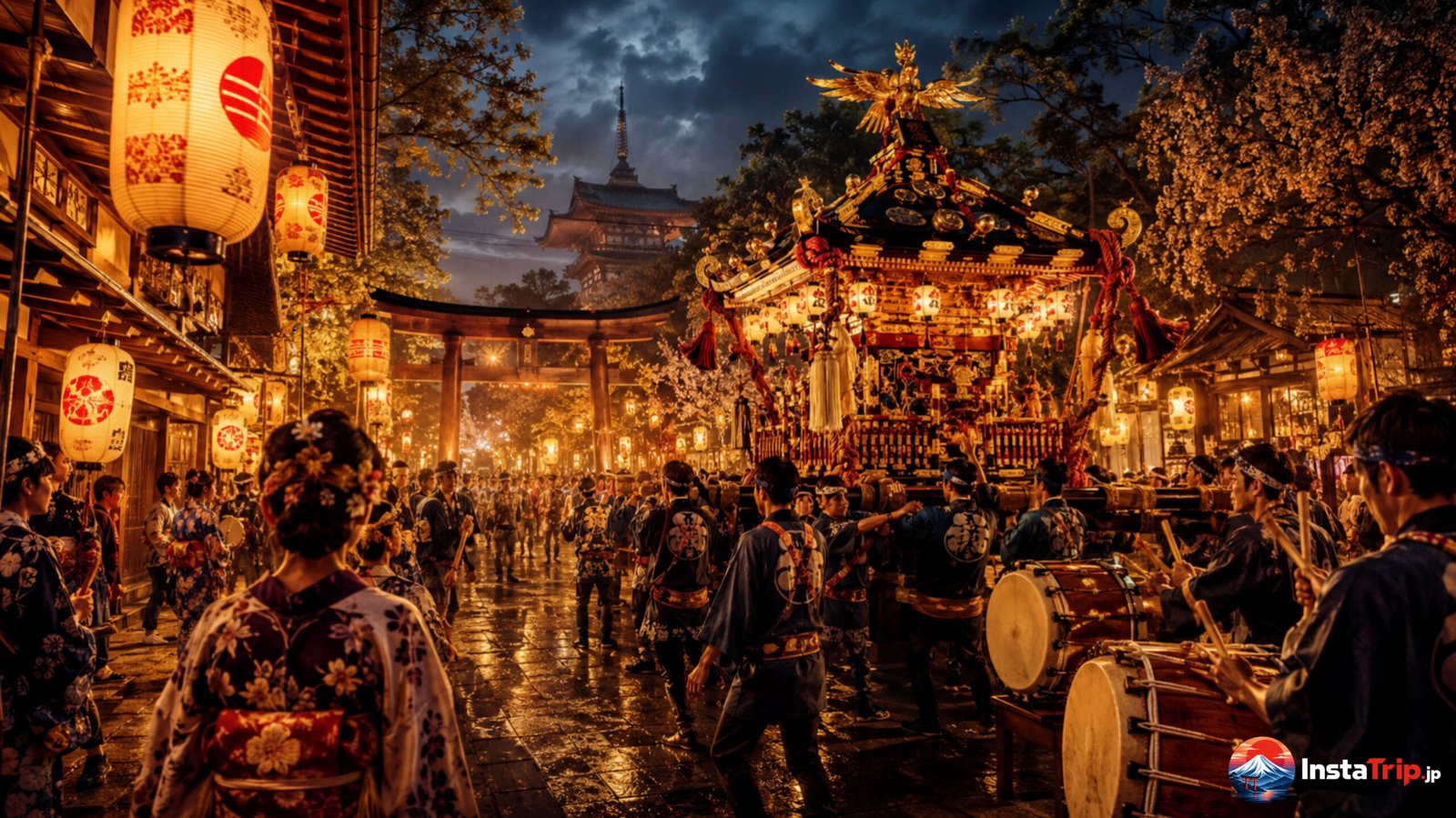
A typical matsuri often begins with ritual at a shrine. Priests may offer prayers and blessings, while participants prepare ceremonial objects and portable shrines. The mikoshi is especially central to many festivals: a richly decorated, portable shrine believed to temporarily carry a kami beyond the shrine grounds and into the surrounding community.
Groups of residents carry the mikoshi through streets in coordinated movement, chanting calls that build into an exhilarating rhythm. Depending on the festival, the procession may be solemn, boisterous, or both. In some places, carriers bounce the mikoshi dramatically or move it at speed. These moments can look spontaneous, yet they are usually guided by local customs passed down over generations.
Around the religious core, a lively public celebration unfolds. Streets fill with yatai, the temporary stalls that sell festival favorites such as yakisoba noodles, takoyaki, grilled corn, kakigori shaved ice, and candy apples. Children play ring toss or scoop for toy balls, while families gather in yukata, the light cotton summer kimono often worn at warm-weather festivals.

The mix is part of the magic. A matsuri can move from the quiet fragrance of a shrine offering to the vivid color of lanterns, drums, dance, and a crowded night market within a few steps.
A Festival for Every Season
Matsuri are held throughout the year, and the season helps shape their atmosphere. Spring festivals may coincide with cherry blossoms and prayers for prosperity. Summer is especially famous for lantern-lit evenings, fireworks, Bon Odori dancing, and the welcome relief of cold drinks after humid days. Autumn brings harvest celebrations and magnificent processions, while winter festivals can feature snow, fire rituals, or prayers for health in the year ahead.
Some events follow the modern calendar, while others are connected to older lunar traditions. Dates can change each year, particularly for festivals held on a certain weekend or tied to a traditional observance. If a matsuri is a highlight of your Japan itinerary, check the current schedule before making firm plans.
It also helps to recognize that festival scale is not a measure of authenticity. Tokyo’s Sanja Matsuri, held around Asakusa’s Sensō-ji and Asakusa Shrine area, is thrilling for its immense crowds and dynamic mikoshi processions. Kyoto’s Gion Matsuri is renowned for its elegant, towering floats and centuries of history. Yet a small neighborhood matsuri, perhaps encountered by chance in Kamakura, Kanazawa, or a quiet coastal town, may offer a more intimate sense of local participation.
Famous Matsuri and Their Distinctive Character
Japan’s major festivals reveal just how diverse the tradition can be. The Aomori Nebuta Matsuri transforms northern summer nights with enormous illuminated floats depicting warriors, deities, and dramatic scenes. The sound of flutes and drums accompanies dancers in colorful costumes, creating a brilliant moving gallery of folk art.
In Sapporo, the Snow Festival takes the idea of matsuri into a wintry landscape, where monumental snow and ice sculptures turn the city into a temporary world of light and imagination. It is less shrine-centered than many traditional matsuri, but it shares the communal spirit of gathering around a seasonal event.
Kyoto’s Gion Matsuri, associated with Yasaka Shrine, has origins in ceremonies intended to appease forces believed to cause epidemic disease. Today, its July celebrations include processions of elaborately constructed floats, many decorated with textiles and craftsmanship of extraordinary beauty. The festival carries a refined atmosphere, but it remains deeply connected to Kyoto’s historic neighborhoods.
Then there is the Awa Odori in Tokushima, where dance takes center stage. Its famous spirit is often captured in a local saying: if both dancers and watchers are fools, why not dance? The invitation is joyful rather than formal – a reminder that participation, not perfect understanding, is often the best way into a matsuri.
How to Experience a Matsuri Respectfully
Visitors are welcome at many public matsuri, and their excitement is easy to share. Still, a little awareness goes a long way. A festival may include sacred rituals, processions with restricted access, or crowded streets where local residents and participants need room to move.
When visiting a shrine, follow the lead of those around you. Keep your voice low in prayer areas, do not cross barriers, and avoid blocking a procession for photos. If you would like to photograph people in close-up, asking first is a thoughtful gesture. Drone use is generally inappropriate and may be prohibited, especially in crowded or sacred spaces.
Clothing does not need to be formal, but comfort matters. Summer matsuri can be intensely hot and crowded, while rain is always possible. Wear shoes suitable for standing and walking, carry water, and bring cash for food stalls, since small vendors may not accept cards. A yukata can be a memorable choice if you are familiar with how to wear it respectfully, but it is never required.
Most of all, remember that the festival is not a performance created solely for an audience. Stand back when mikoshi carriers pass, do not force your way into a ritual space, and let the event unfold at its own pace. The best memories often come from observing small details: a child gripping a paper lantern, volunteers serving food, or an elderly resident greeting neighbors along the route.
Why Matsuri Matter Beyond the Spectacle
A matsuri makes tradition visible, audible, and shared. It brings together craftspeople, shrine communities, musicians, dancers, local businesses, families, and returning residents who may travel home specifically for the occasion. In a country celebrated for both its futuristic cityscapes and timeless heritage, festivals reveal that the past is not sealed behind museum glass. It is carried through the streets, sung in familiar melodies, and remade by each generation.
For travelers, that is the real gift of encountering a matsuri. Come for the lanterns, floats, flavors, and thunder of taiko drums, but leave room for the quieter meaning beneath them: a community celebrating the place it calls home. If you find yourself near a festival in Japan, slow down, join the crowd with care, and let its rhythm show you a side of the country no ordinary itinerary can fully capture.
![[商品価格に関しましては、リンクが作成された時点と現時点で情報が変更されている場合がございます。]](https://hbb.afl.rakuten.co.jp/hgb/574e7ec7.1edc65f6.574e7ec8.613934b3/?me_id=1409860&item_id=10000133&pc=https%3A%2F%2Fthumbnail.image.rakuten.co.jp%2F%400_mall%2Ff222054-atami%2Fcabinet%2F10275507%2F11547271%2Frtc015_01.jpg%3F_ex%3D128x128&s=128x128&t=picttext "[商品価格に関しましては、リンクが作成された時点と現時点で情報が変更されている場合がございます。]")