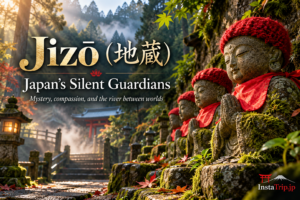

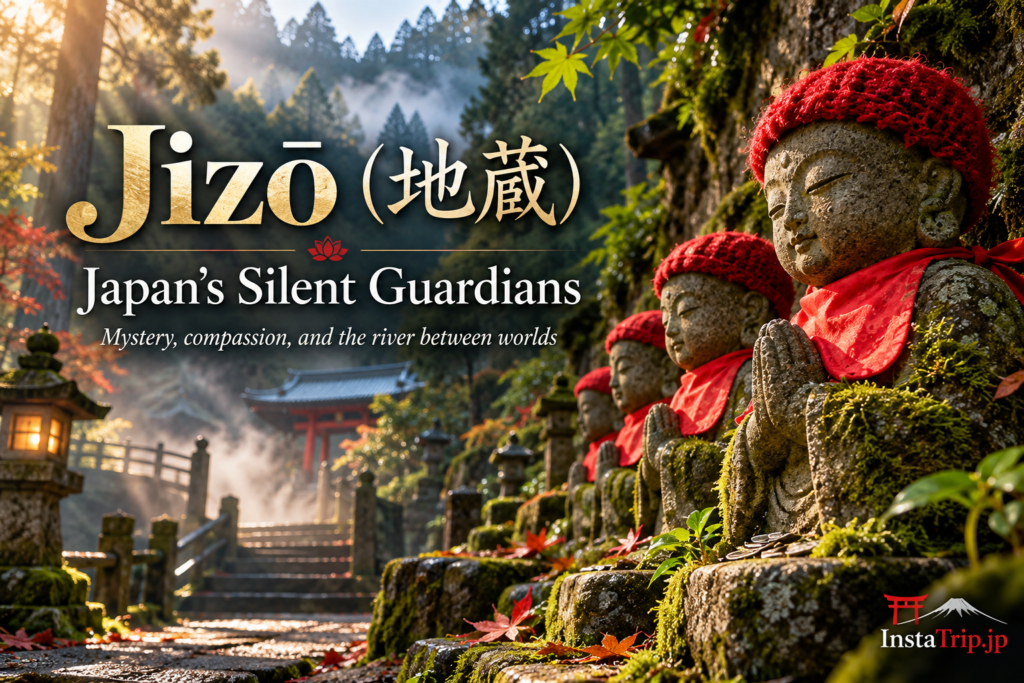
On a quiet Japanese road, beneath cedar trees or beside a temple gate, a small stone figure watches over the passing world. Its face is gentle. Its head is bare. Sometimes it wears a bright red cap, sometimes a little bib. At first glance, it may look like a simple roadside ornament. But the story of Jizō leads far beyond the visible landscape—to compassion, grief, folklore, and an extraordinary river that, in Japanese tradition, lies between life and death.
Who Is Jizō (地蔵)?
Jizō Bosatsu (地蔵菩薩) is the Japanese name for the bodhisattva Kṣitigarbha, a revered figure in East Asian Buddhism. A bodhisattva dedicates themself to helping other beings; in Japanese religious life, Jizō is especially associated with children, travelers, and souls in need of guidance. Unlike imposing temple guardians, Jizō is often represented as a humble monk with a shaved head and serene expression. These figures are familiar on rural paths, city corners, and temple grounds.
For travelers, encountering Jizō can feel like discovering a small act of kindness carved into stone. His presence also reminds us that Japan’s most compelling spiritual stories are not always hidden inside grand sanctuaries.
Why Do Jizō Statues Wear Red Bibs and Hats?
The bright red clothing is not simply decorative. Families and worshippers offer bibs, knitted caps, toys, and pinwheels as expressions of protection, gratitude, and remembrance. In many communities, red is regarded as a protective color. The custom is especially poignant at memorial sites for children who died young, though not every Jizō statue serves the same purpose.

In Tokyo, the grounds of Zōjōji Temple are known for rows of small Jizō statues, many wearing red caps or bibs and accompanied by pinwheels. Their quiet presence contrasts strikingly with nearby Tokyo Tower.
The Sanzu River (三途の川): Japan’s River Between Worlds
In Japanese Buddhist folklore, the Sanzu no Kawa—often translated as the “River of Three Crossings”—marks a boundary between the world of the living and the afterlife. Its depiction varies across traditions and stories. It is a religious and folkloric image, not a real river that visitors can find on a map.
One of its most moving associated stories describes the Sai no Kawara (賽の河原), a stony riverbank where the souls of children attempt to build little towers of pebbles. Demons repeatedly overturn the towers. Jizō, the compassionate guardian, comes to comfort and protect the children, sheltering them in his robes. This legend helps explain why some devotees place stones or small toys near Jizō statues.
These beliefs should be understood as parts of Japan’s diverse religious folklore rather than as a single doctrine shared by every Buddhist temple or every person in Japan. Their emotional power lies in the image of compassion arriving where sorrow seems endless.

The Unsettling Legend of the Phantom Jizō in Nikkō
Not all Jizō stories are simply comforting. Along the Kanmangafuchi Abyss area in Nikkō, a line of stone figures has acquired a mysterious reputation. They are sometimes called Bake Jizō (化け地蔵), or “phantom Jizō,” because a local tale claims that visitors who count the statues on the way out may find a different number when counting them on the return journey.
There is no evidence that the statues literally change number. Yet the setting—moss-covered stone, deep greenery, and the nearby river—makes it easy to understand why such a story survived. According to an official Japan Tourism Agency explanation, flooding in 1902 damaged many statues and the temple associated with them.
See Jizō at Zōjōji Temple
Explore the atmospheric rows of Jizō statues in this 4K travel video filmed in Tokyo. Playback is optional.
Three Places to Encounter Jizō in Japan
1. Zōjōji Temple, Tokyo (増上寺)
One of the most accessible places to appreciate the protective and memorial role of Jizō. Rows of small statues invite quiet reflection. Be especially respectful around personal offerings left by families.
View Zōjōji Temple on Google Maps
2. Kanmangafuchi Abyss, Nikkō (憾満ヶ淵)
For a more atmospheric experience, explore the wooded riverside path where the famous phantom Jizō stand. The natural scenery and the folklore make this a particularly memorable stop for photographers and curious travelers.
View Kanmangafuchi Abyss on Google Maps
3. Kongōrinji Temple, Shiga (金剛輪寺)
This historic Buddhist temple is known for its many Jizō figures and beautiful grounds. It offers a quieter counterpoint to major city attractions, particularly for travelers interested in Buddhist art and sacred landscapes.
View Kongōrinji Temple on Google Maps
How to Approach a Jizō Statue Respectfully
- Observe quietly and never remove or rearrange offerings, clothing, or stones.
- Follow local photography rules, especially near graves and memorial areas.
- Do not assume that every red-bibbed statue commemorates a particular individual.
- Check temple-specific visiting guidance before making offerings or touching statues.
Jizō, Daruma, and the Hidden Language of Japanese Spirituality
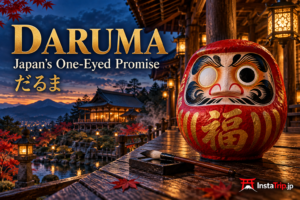
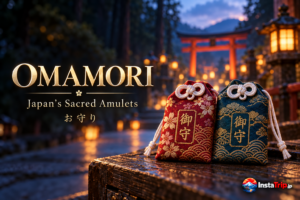
Japan’s everyday sacred objects express different kinds of hope. A Daruma doll is often associated with determination and new beginnings; an omamori carries prayers for protection; and the legendary kitsune introduces another world of spiritual symbolism. Jizō brings a quieter message: no traveler, and no grieving soul, should have to face the difficult road alone.
A Small Stone Figure with an Immense Story
The next time you find a small, weathered Jizō beside a Japanese path, look beyond the red cloth and the gentle smile. You may be seeing a marker of safe journeys, a family’s remembrance, or an expression of mercy passed down across generations. In a country of dazzling neon and monumental temples, one of the deepest stories is sometimes waiting at the edge of the road.
Explore Jizō-Inspired Objects
- Browse Jizō stone-style figurines on Amazon
- Browse Jizō-inspired Buddhist art on Amazon
- Explore books on Japanese folklore on Amazon
Sources and Further Reading
- Japan Tourism Agency — Jizō Statues at Zōjōji
- Japan Tourism Agency — Jizō Statues, Nikkō
- Japan Tourism Agency — Sai no Kawara
- Japan National Tourism Organization — Kongōrinji Temple